For many smart home, hotel, apartment, and building automation projects, one common question appears early in the product discussion: why not simply use a consumer tablet as the wall-mounted control interface?
At first glance, a tablet can seem like a simple choice. It has a touchscreen, an operating system, wireless connectivity, and access to applications or web dashboards. For demos, temporary installations, or personal control, this may be enough.
However, a permanent wall-mounted control interface has different requirements. It needs to support fixed installation, stable power, system integration, long-term operation, project-level maintenance, and a consistent user experience.
This article compares consumer tablets and dedicated wall-mounted touch panels from a smart building project perspective.
When a Consumer Tablet May Be Enough
A consumer tablet can be useful in certain situations.
For example, it may be suitable for:
- Product demonstrations
- Temporary dashboards
- Prototype testing
- Personal smart home control
- Low-volume non-permanent installations
- Simple web-based visualization
- Internal testing before a dedicated hardware direction is selected
In these cases, the tablet is usually used as a flexible display device. It can be moved, replaced, charged, and updated like a normal consumer product.
For early-stage software validation, this can be practical. A product team may use a tablet to test UI flow, dashboard layout, control logic, or customer feedback before investing in dedicated hardware.
However, the requirements change when the interface becomes part of a fixed product, hotel room, apartment unit, smart home system, or building automation project.
Why Permanent Installations Need a Different Approach
A permanent wall-mounted control panel is not used in the same way as a personal tablet.
A tablet is usually designed for mobile personal use. It is carried, charged, updated, and replaced by an individual user. A wall-mounted touch panel is fixed in one location, shared by multiple users, and expected to operate as part of a room or building system.
This difference affects the whole product design.
A dedicated wall-mounted touch panel needs to consider:
- Wall-box compatibility
- Long-term power supply
- Cable management
- Heat dissipation
- Continuous operation
- System lockdown
- Interface requirements
- Project consistency
- Certification requirements
- Long-term supply and maintenance
For this reason, the comparison is not only about screen size or price. It is about whether the device is designed for permanent project installation.
Installation and Mounting
Installation is one of the biggest differences between a consumer tablet and a dedicated wall-mounted touch panel.
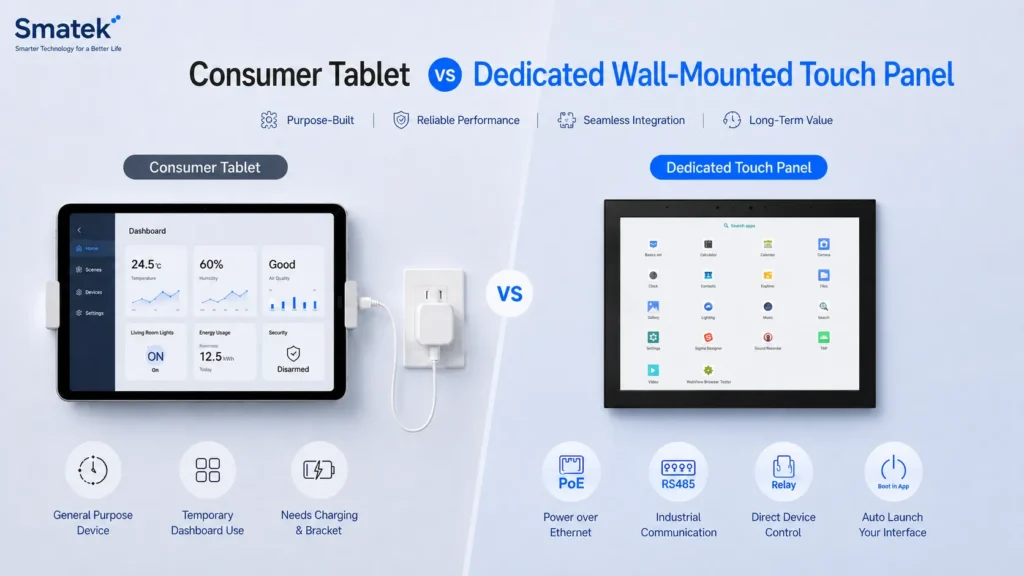
A consumer tablet usually requires an external bracket, frame, or third-party wall mount. The charging cable may need to be hidden or routed separately. In some installations, this can create challenges around appearance, cable exposure, serviceability, and long-term stability.
A dedicated wall-mounted touch panel is designed from the beginning for fixed installation. It can support wall-box mounting, recessed installation, surface-mounted installation, or project-specific brackets depending on the product design.
For smart home, apartment, hotel, and commercial projects, this matters because installation consistency affects the final user experience. A panel should look like part of the wall and building design, not like a mobile device attached to the wall.
Power and Cabling
Power design is another important difference.
Consumer tablets are normally powered by battery and charged through USB-C, Lightning, or a dedicated charger. This works well for mobile use, but it can be less ideal for permanent wall installation.
Long-term charging may create concerns around cable management, battery aging, heat, service access, and installation appearance. In some projects, using a consumer charger behind the wall may also create safety or compliance questions.
Dedicated wall-mounted touch panels are usually designed around project power architectures, such as:
- PoE
- DC low-voltage input
- AC 110–230V input
- Dedicated power base
- Project-specific power design
For building projects, PoE can be useful because it can carry both power and data through Ethernet. DC input can fit low-voltage wiring systems. AC-powered designs may be considered for certain wall-box or retrofit scenarios.
The right power architecture depends on the project, but the key difference is that dedicated wall-mounted panels are designed for stable long-term power from the beginning.
Interfaces and System Integration
Consumer tablets usually provide limited physical interfaces. They are mainly designed around Wi-Fi, Bluetooth, and a charging/data port.
For many building automation or room control projects, this may not be enough.
A dedicated wall-mounted touch panel can support project-oriented interfaces such as:
- RJ45 Ethernet
- PoE
- RS485
- Relay output
- Dry contact input or output
- KNX TP
- USB or debug interface
- GPIO or expansion interface
- Audio input/output
- Sensor interfaces
- Security-related interfaces
These interfaces can be important for hotel room control, apartment systems, access control, HVAC integration, lighting control, curtain control, and building automation applications.
For example, a hotel room panel may require RS485, relay, or dry contact functions. A building automation panel may require Ethernet, KNX, or a local server connection. A smart home control panel may need Wi-Fi, Bluetooth, Zigbee, or other wireless module support.
A consumer tablet is usually not designed for this level of physical integration.
Software Control and Lockdown
Software control is another important factor.
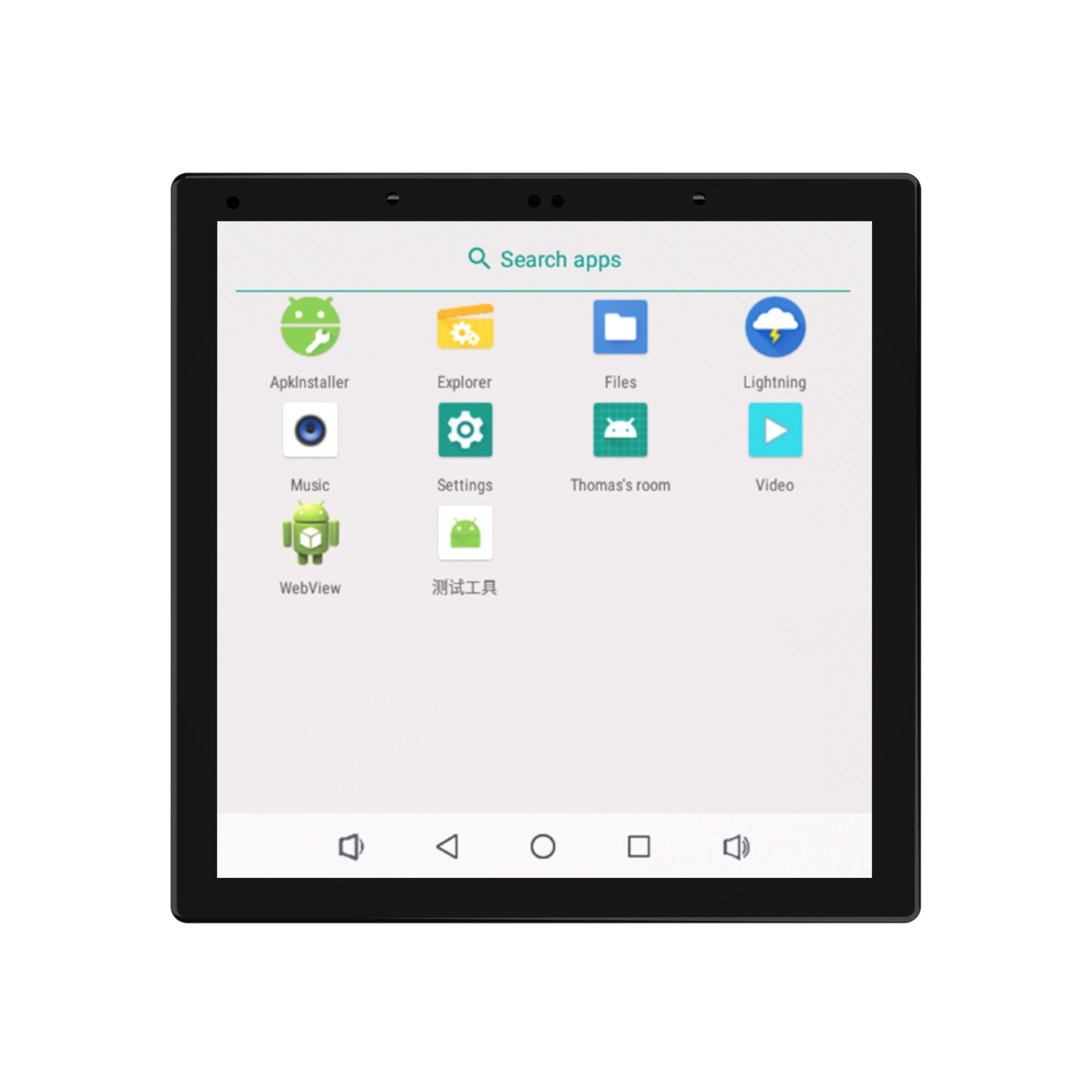
A consumer tablet is designed for general personal use. The operating system may show notifications, system updates, permission prompts, app-switching behavior, or other user-facing elements that are not ideal for a fixed control interface.
For a permanent wall-mounted panel, product teams often need more control over the user environment.
Dedicated wall-mounted touch panel platforms can support project-specific software preparation, such as:
- APK pre-installation
- Boot-to-app behavior
- Customized launcher
- System image preparation
- Default application startup
- Restricted user environment
- Interface documentation
- OTA or controlled update method
- Production firmware flashing
This is especially important when the customer has its own smart home app, hotel control software, building dashboard, or room control interface.
In many OEM/ODM projects, the customer keeps control of the software, UI, ecosystem logic, and user experience, while the hardware platform is prepared to support that software direction in a stable and repeatable way.
Reliability and Continuous Operation
A consumer tablet is not always designed for continuous fixed use in the same way as a dedicated control panel.
In a smart building project, the wall-mounted interface may need to stay powered for long periods, recover after power loss, start into the correct application, remain accessible to different users, and operate reliably as part of the room-control system.
Important reliability questions include:
- Can the device operate continuously?
- How does it behave after power failure?
- Does it restart into the correct interface?
- Can users accidentally exit the control application?
- How are updates managed?
- How is heat handled during long-term operation?
- How will the product be maintained across many rooms or units?
For a single home or demo project, these questions may be manageable manually. For a hotel, apartment, or building project with many units, they become much more important.
A dedicated wall-mounted touch panel is better suited to project-level planning around firmware, power, installation, maintenance, and batch deployment.
Product Lifecycle and Supply Stability
Consumer tablets usually follow consumer electronics lifecycles. Models may change frequently, operating systems may be updated automatically, accessories may become unavailable, and physical dimensions may change between generations.
For project delivery, this can create risk.
If a building automation project needs the same device across multiple phases, or a product brand needs a stable hardware base for long-term sales, supply consistency becomes important.
Dedicated wall-mounted touch panels can be planned around:
- Stable hardware platform direction
- Long-term production planning
- BOM management
- Firmware version control
- Consistent housing and installation structure
- Project-specific documentation
- Batch production and quality control
This does not mean every dedicated panel will automatically solve lifecycle concerns, but it allows the project to be managed as an engineering product rather than a consumer device purchase.
Appearance and Project Consistency
Appearance is also part of the decision.
A consumer tablet looks like a consumer product. Even with a wall bracket, it may not fully match the wall, installation box, interior design, or brand identity of the project.
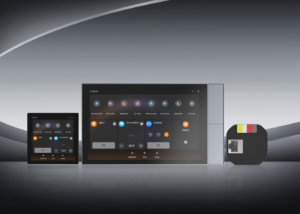
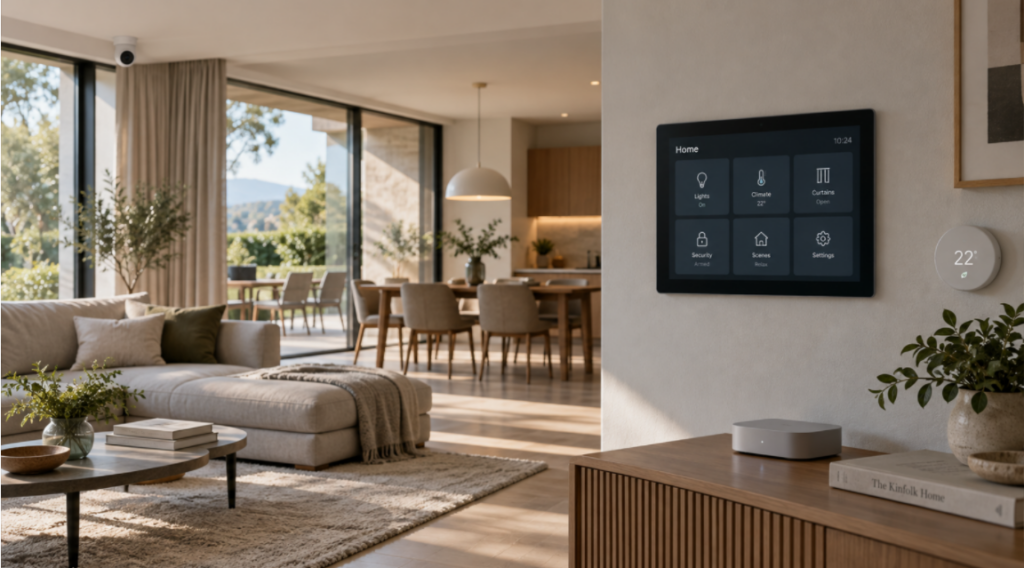
A dedicated wall-mounted touch panel can be designed to look integrated into the room. Depending on the project, it may support different sizes, housing materials, colors, logo options, surface finishes, mounting structures, and installation methods.
This can be especially important for:
- High-end residential projects
- Hotel rooms
- Serviced apartments
- Commercial spaces
- Branded smart home products
- OEM/ODM product lines
For these projects, the control interface is not only a screen. It becomes part of the product and space design.
Consumer Tablet vs Dedicated Wall-Mounted Touch Panel
The table below summarizes the main differences.
| Project Factor | Consumer Tablet | Dedicated Wall-Mounted Touch Panel |
|---|---|---|
| Best for | Personal use, demos, temporary dashboards | Permanent room control and project installation |
| Installation | Requires external bracket or frame | Designed for wall mounting or wall-box installation |
| Power | Battery, charger, USB-C, or adapter | PoE, DC, AC, or dedicated power design |
| Cabling | May require hidden charging cable | Designed for structured project wiring |
| Physical interfaces | Usually limited | Ethernet, RS485, relay, KNX, PoE, dry contact, and more |
| Software control | Less controlled consumer environment | Boot-to-app, custom launcher, system image, firmware preparation |
| Lifecycle | Consumer product cycle | Project-oriented supply and production planning |
| Appearance | Consumer device look | Integrated wall-mounted design |
| Customization | Limited | Hardware, housing, firmware, branding, installation, and interface options |
| Best project type | Demo, prototype, personal dashboard | Smart home, hotel, apartment, building automation, OEM/ODM product |
The right choice depends on the application. A tablet may be enough for early testing or temporary use. A dedicated wall-mounted touch panel is usually more suitable when the interface becomes part of a long-term product or building system.
When to Choose a Dedicated Wall-Mounted Touch Panel
A dedicated wall-mounted touch panel is usually the better direction when the project requires:
- Fixed wall installation
- Shared room control
- Stable long-term power
- Ethernet, RS485, relay, KNX, or other project interfaces
- Boot-to-app or locked-down software behavior
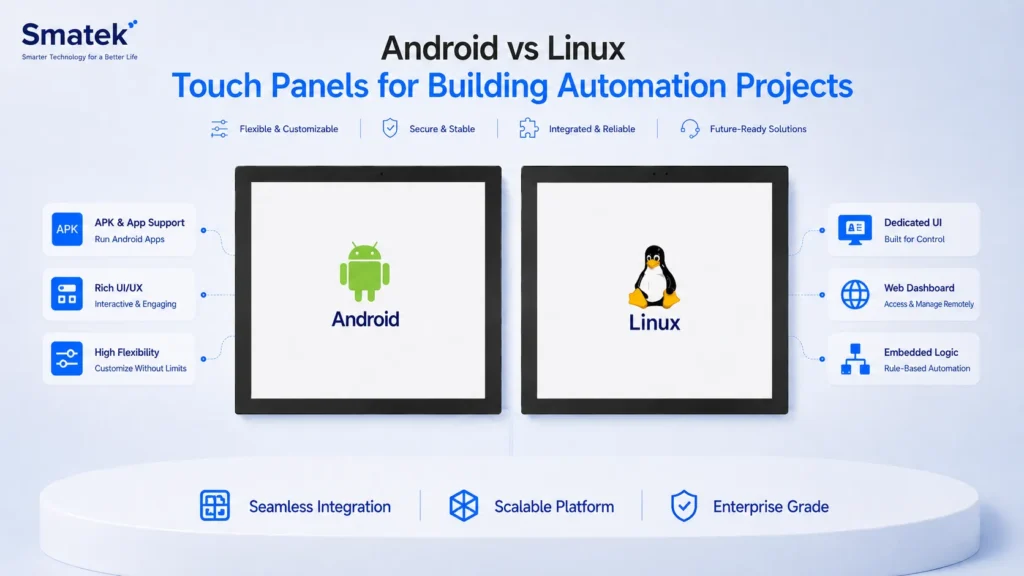
- Customer-developed Android or Linux application
- Consistent appearance across many rooms or units
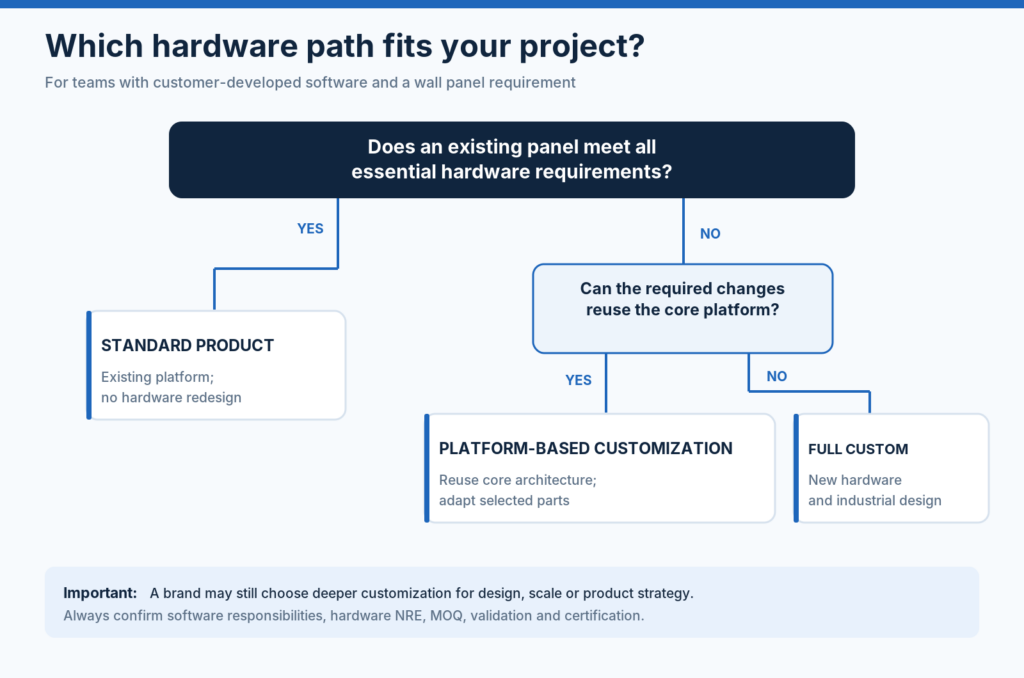
- OEM/ODM customization
- Project-level certification and production planning
- Long-term supply and maintenance
This is especially relevant for smart home brands, hotel room control projects, apartment systems, building automation interfaces, and customers developing their own control panel product line.
How Smatek Supports Wall-Mounted Touch Panel Projects
Smatek provides dedicated wall-mounted touch panel hardware platforms for customers developing smart home, hotel, apartment, and building automation control interfaces.
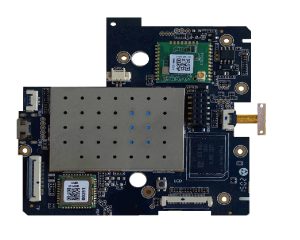
Unlike a consumer tablet, a Smatek touch panel platform can be evaluated around the customer’s project requirements, including operating system direction, screen size, power architecture, physical interfaces, wireless modules, housing design, installation method, firmware preparation, and branding.
For customers with their own software, UI, application, or ecosystem logic, Smatek can provide Android or Linux-based hardware platforms that support customer-developed applications and project-specific integration requirements.
Depending on the project, Smatek can help evaluate:
- Android or Linux platform direction
- PoE, DC, or AC power options
- Ethernet, Wi-Fi, Bluetooth, RS485, relay, KNX, or other interfaces
- Wall-box, bracket, or installation structure
- APK pre-installation or system image preparation
- Boot-to-app or launcher customization
- Housing, color, logo, and branding options
- OEM/ODM customization scope
- Sample, pilot run, and batch production planning
The goal is not only to replace a tablet with a fixed screen. The goal is to provide a hardware platform that can support the customer’s software, system architecture, installation environment, and long-term product roadmap.
After defining the project requirements, customers can further review Smatek’s Android / Linux control panels, KNX touch panels, and OEM/ODM solution directions for more detailed platform selection.